Andrology
Dedicated male sexual and reproductive health care — erectile dysfunction, ejaculatory disorders, penile reconstruction and hormonal evaluation, handled with complete discretion.
Learn more
Restoring Confidence. Rebuilding Life.
Led by Dr. Rammohan Thatipamula — MCh Urologist with a Fellowship in Andrology & Men's Health and over 20 years of clinical experience. Comprehensive, confidential care for men across Hanamkonda and Warangal, available 24 hours.
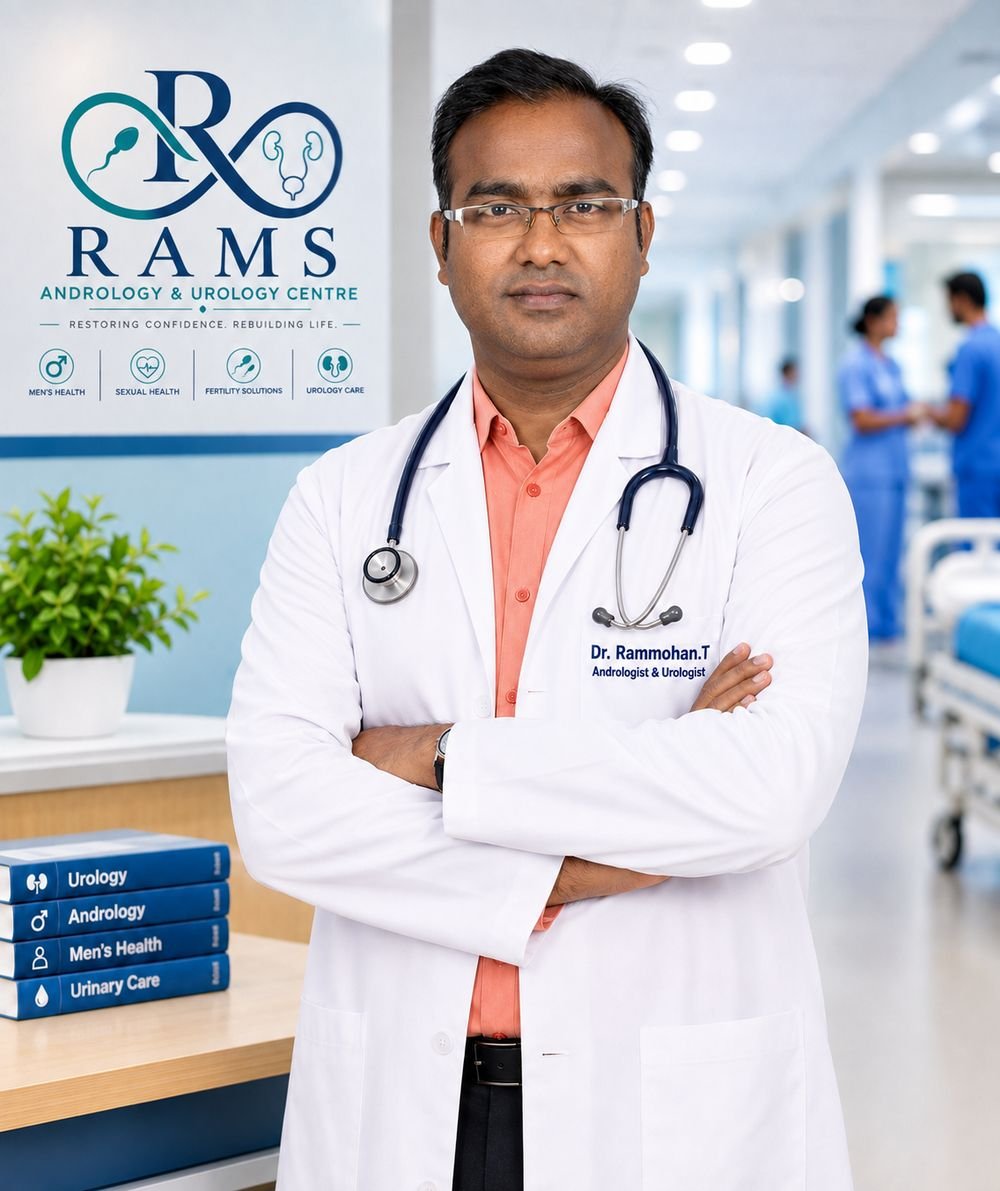
Focused andrology, urology, male fertility and men's health services — delivered by a single fellowship-trained specialist, using modern diagnostic and surgical technology.
Dedicated male sexual and reproductive health care — erectile dysfunction, ejaculatory disorders, penile reconstruction and hormonal evaluation, handled with complete discretion.
Learn moreDiagnosis and surgical management of kidney stones, prostate disorders, urinary infections, incontinence, strictures and urological cancers.
Learn moreAdvanced semen analysis, hormonal profiling, varicocele correction and microsurgical sperm retrieval including TESA and PESA for azoospermia.
Learn moreRoot-cause evaluation with penile Doppler, followed by medical therapy, intracavernosal treatment, or penile prosthesis implantation where indicated.
Learn moreMinimally invasive stone clearance — RIRS, URSL, PCNL and shockwave lithotripsy — plus metabolic workup to prevent stones from returning.
Learn moreLow testosterone management, prostate health screening and preventive cardiology assessment — because sexual health and heart health are closely linked.
Learn moreRAMS Andrology & Urology Centre was founded in Hanamkonda to give men in Warangal a place where sensitive concerns are met with genuine specialist expertise — not guesswork, and never judgement.
Two decades of urological and andrological practice across complex cases
Formal fellowship training in andrology and men's health, rare in the region
Endoscopic and minimally invasive procedures with faster recovery
Advanced semen analysis and microsurgical sperm retrieval under one roof
Dedicated theatre with operating microscope, endoscopy and uroflowmetry
Every option explained clearly, so you decide with full understanding
Private consulting rooms and strictly protected medical records
Urological emergencies such as retention and colic attended round the clock
Consultation, diagnostics, day-care procedures, surgery and follow-up — all at a single address, with no shuttling between hospitals
MCh-qualified urologist with fellowship training in andrology and men's health, focused on male infertility, sexual medicine, penile reconstruction and endourology.
A purpose-built andrology and urology facility in Hanamkonda — designed for privacy, sterility and precision.
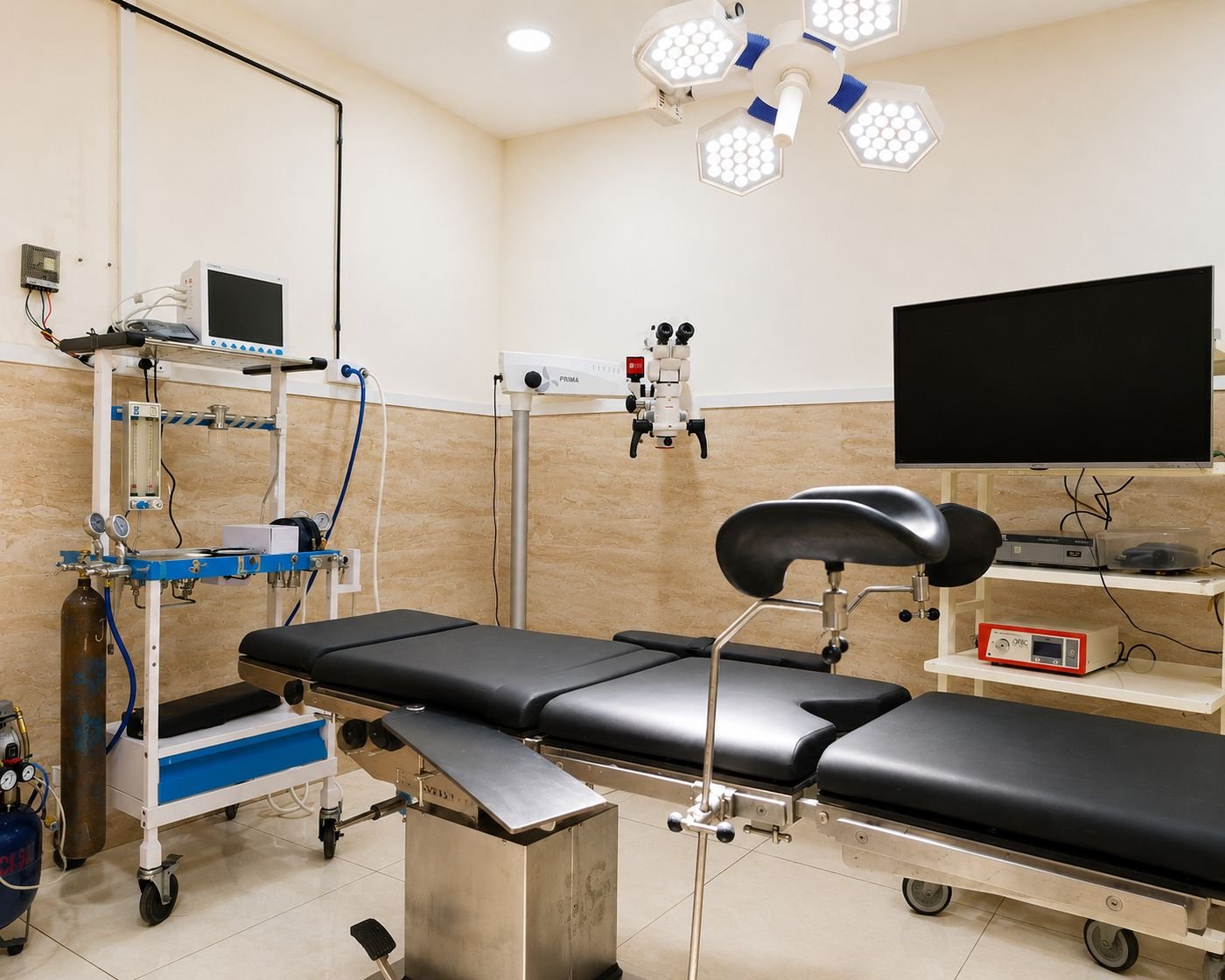
Sterile modular theatre equipped for endourology, microsurgery and prosthetic implantation, with continuous patient monitoring.
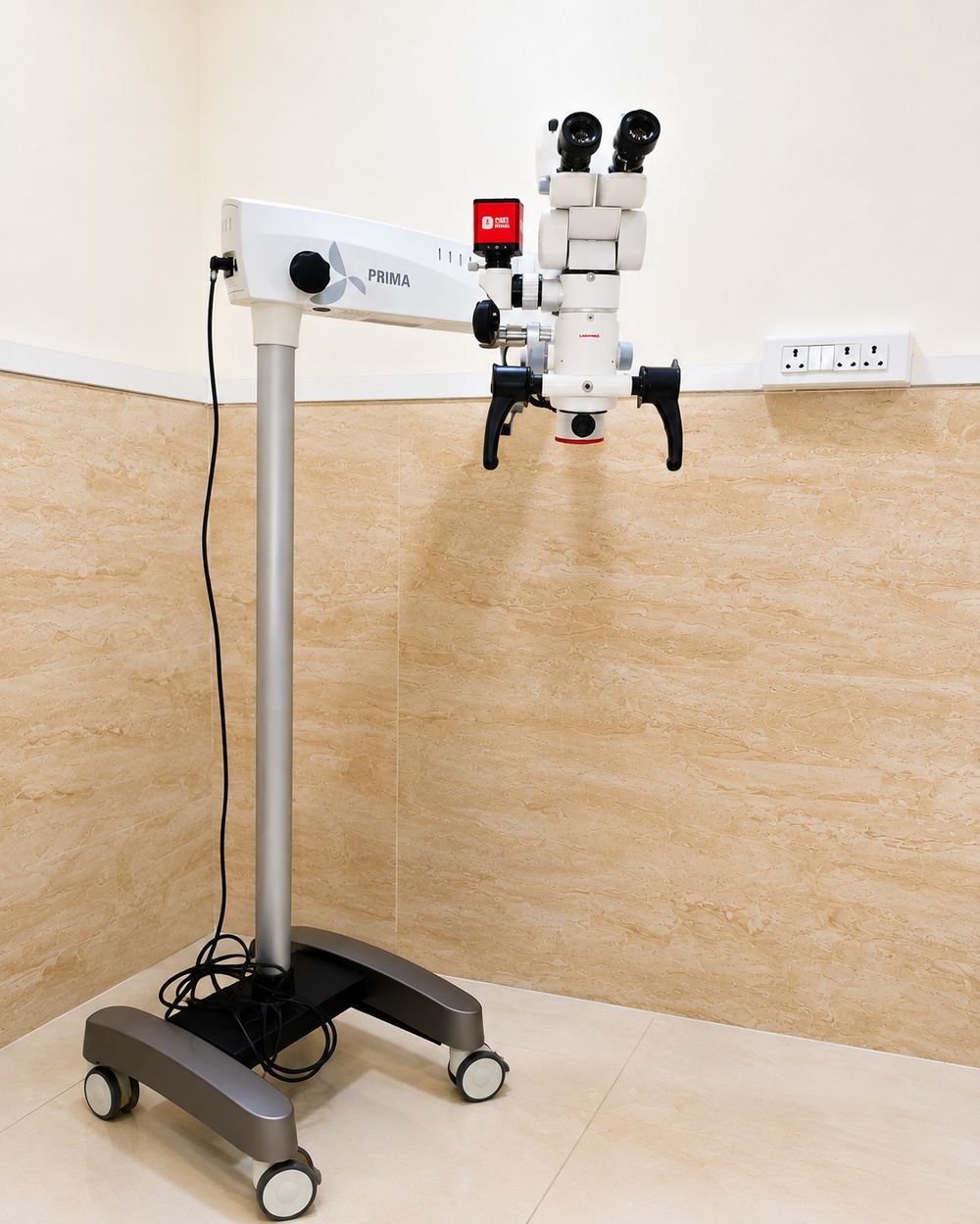
For microsurgical sperm retrieval & varicocelectomy
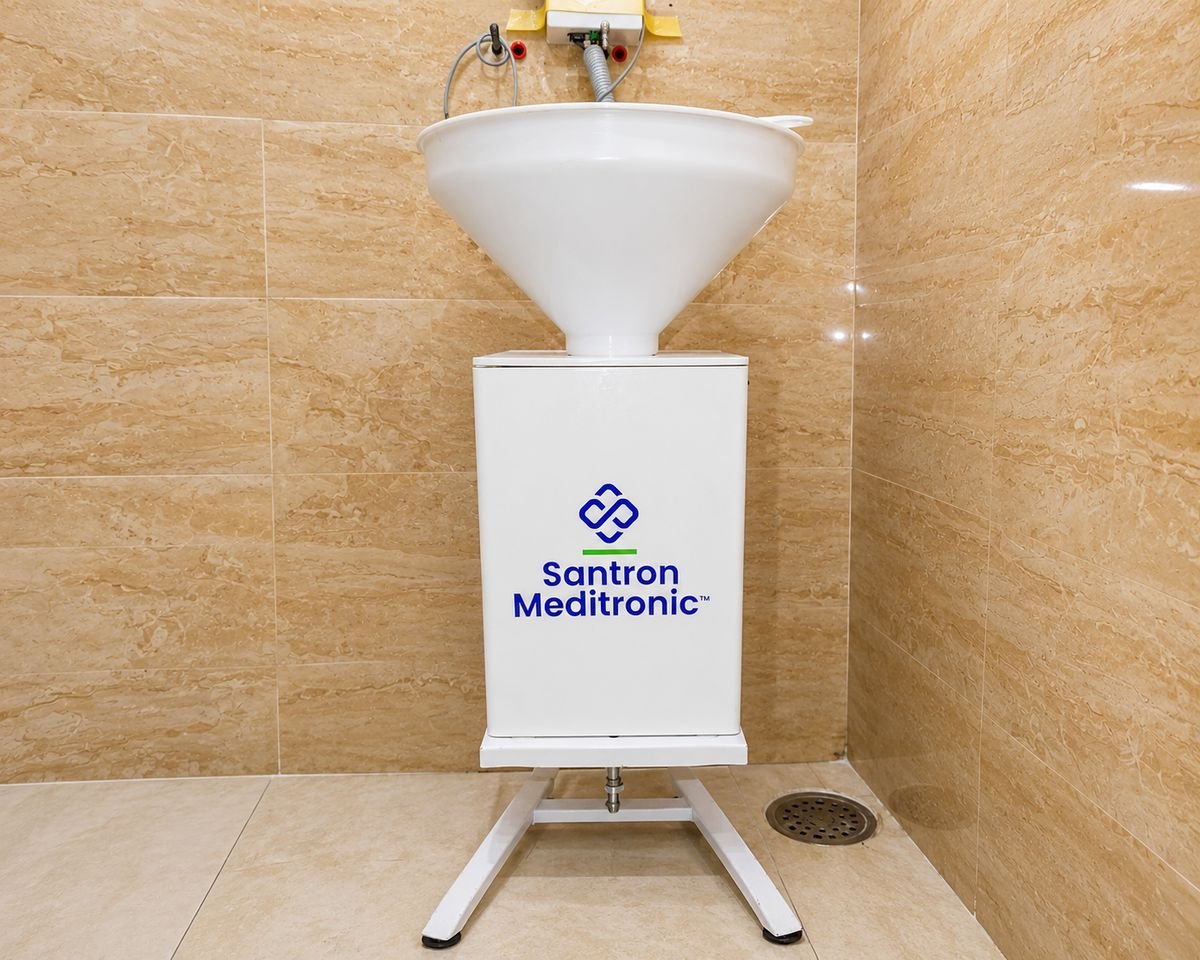
Objective testing for flow obstruction & prostate enlargement
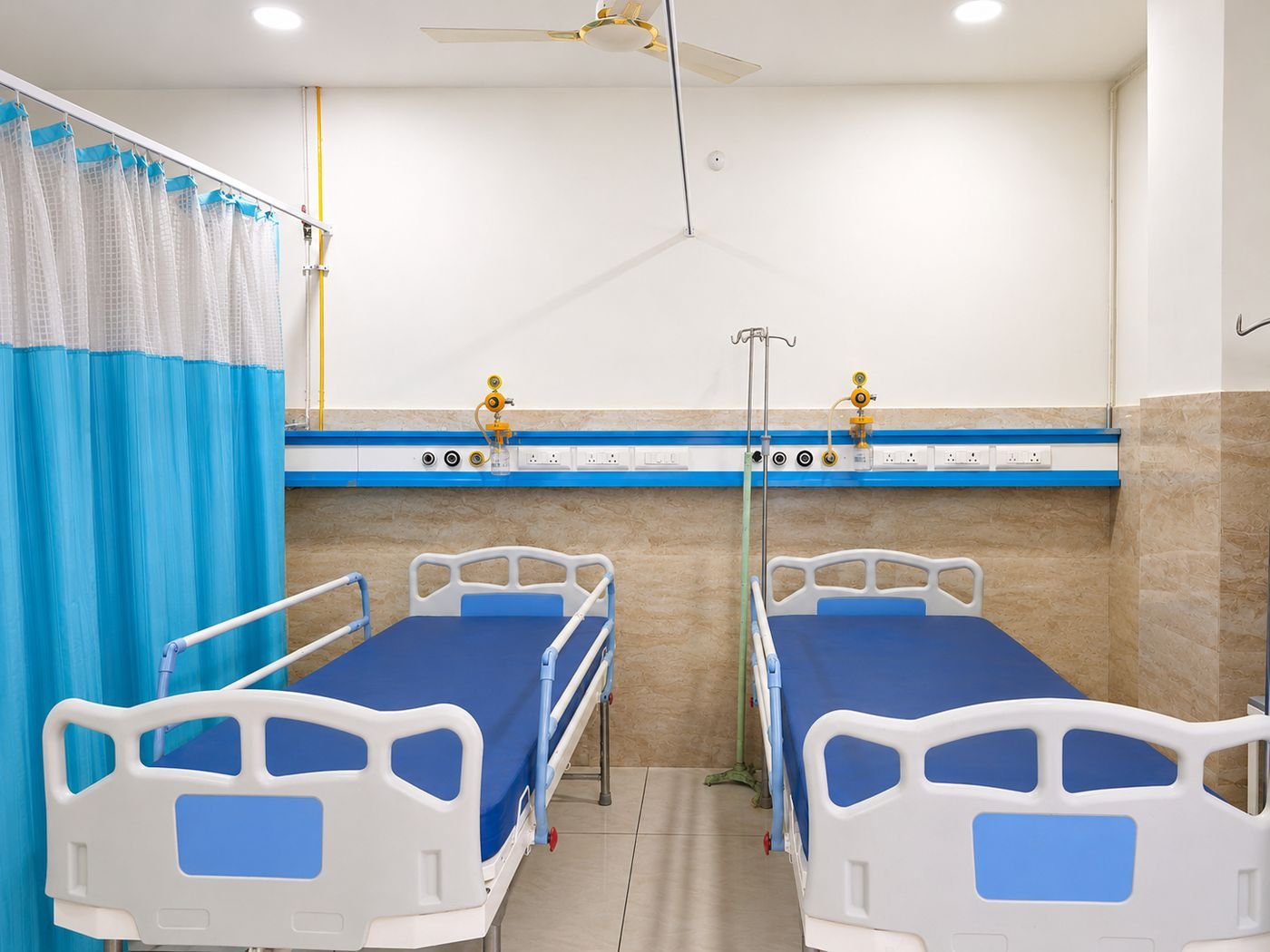
Private beds with piped oxygen and 24-hour nursing
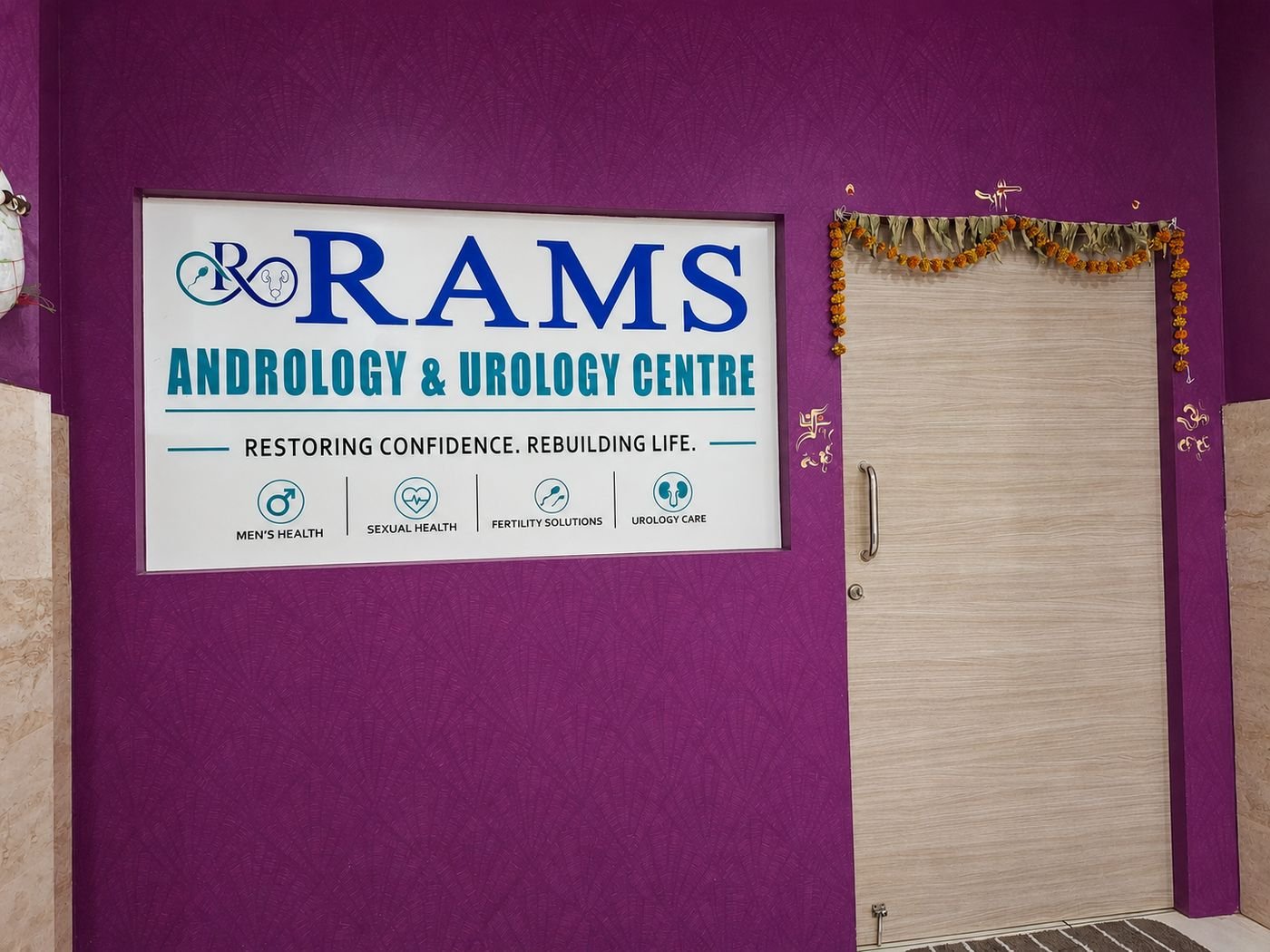
Discreet entrance and separate waiting for sensitive consults
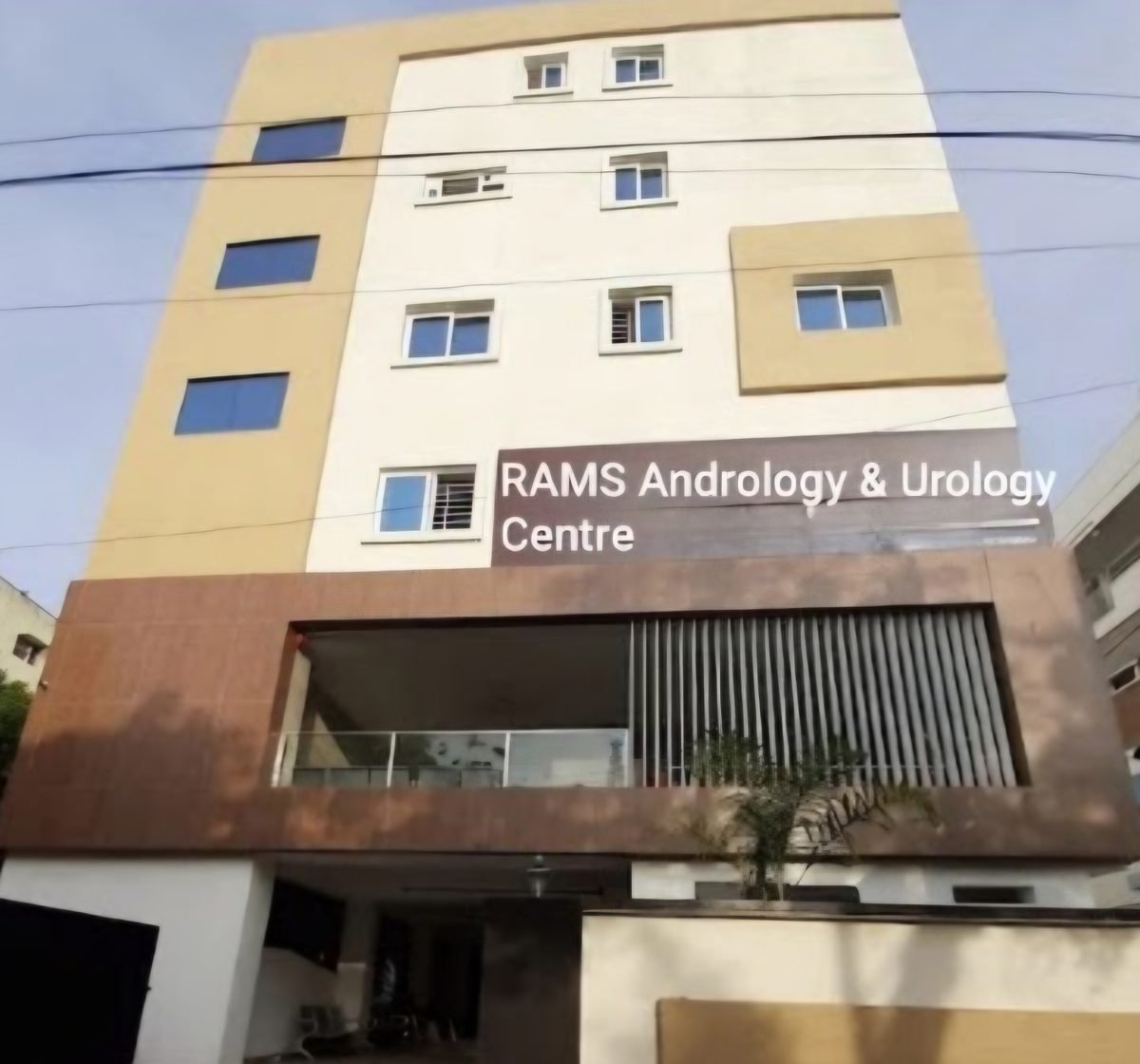
3rd Floor, Chinta Neuro Centre Premises, Hospital Street
Verified reviews from patients treated at our Hanamkonda centre.
"Dr. Rams provided exceptional care and patiently explained every treatment option. Highly recommended for male infertility and men's health concerns."
"Professional, knowledgeable, and compassionate. The doctor listened carefully and explained everything in detail."
"One of the most experienced urologists and andrologists in Warangal. Accurate diagnosis and excellent treatment."
"Approachable, caring, and patient-focused. Every question was answered clearly and thoroughly."
"A wonderful experience from consultation to treatment. Professional care and excellent support throughout."
Read every verified review on our Google Business profile, or share your own experience after your visit.
Read Google ReviewsEvery condition below is managed in-house, from first consultation through to surgery and follow-up.
Straightforward answers to the questions men most often bring to our Hanamkonda clinic.
In most men, yes — erectile dysfunction is treatable and often reversible once the underlying cause is identified. Causes range from vascular disease, diabetes and low testosterone to medication side effects, smoking and psychological stress. Treatment may involve lifestyle correction, oral medication, hormone therapy or, in severe unresponsive cases, a penile prosthesis. Self-medicating with over-the-counter pills without a diagnosis is the most common mistake we see.
If pregnancy has not occurred after twelve months of regular unprotected intercourse — or after six months if the female partner is over 35 — both partners should be evaluated. A male factor contributes in roughly half of all infertility cases, so evaluating the man early avoids months of unnecessary delay. The male assessment is simple: a clinical examination, an advanced semen analysis and a hormone profile.
A routine semen analysis reports count, motility and volume. An advanced analysis follows current WHO criteria and adds strict morphology assessment, vitality testing, leucocyte screening and, when indicated, DNA fragmentation testing. Two men can have the same sperm count yet completely different fertility potential — the advanced parameters are what reveal that difference and guide treatment.
Maintain two to five days of sexual abstinence before the test — shorter or longer intervals distort the results. Avoid alcohol and illness-related fever in the preceding week, and provide the sample in our private collection room so it can be processed within the correct time window. Because sperm counts naturally fluctuate, we frequently repeat the test after a few weeks before drawing conclusions.
Both are sperm retrieval procedures for men with azoospermia — no sperm in the ejaculate. TESA (Testicular Sperm Aspiration) draws sperm directly from the testicular tissue, while PESA (Percutaneous Epididymal Sperm Aspiration) retrieves it from the epididymis, typically where there is an obstruction. Both are short day-care procedures done under local or brief anaesthesia, and the retrieved sperm can be used for assisted reproduction.
A penile implant is a permanent, well-established solution for erectile dysfunction that has not responded to medication. The device is placed entirely inside the body, so it is not visible from the outside, and sensation, orgasm and ejaculation are preserved. Patient satisfaction rates for modern inflatable implants are among the highest of any surgical procedure in urology. The decision is never rushed — we exhaust conservative options first.
Almost always. Small stones often pass with hydration and medical therapy. Larger ones are treated with shockwave lithotripsy, ureteroscopy (URSL), retrograde intrarenal surgery (RIRS) or percutaneous nephrolithotomy (PCNL) — all keyhole or scope-based techniques with no large incision. Most patients go home within a day or two and return to work quickly.
Removing a stone treats the episode, not the tendency. Without a metabolic evaluation, recurrence rates are high — over half of patients form another stone within a decade. We analyse stone composition and 24-hour urine chemistry, then build a prevention plan around fluid intake, dietary sodium and oxalate, and targeted medication where needed. In our climate, inadequate water intake is the single biggest driver.
Persistent fatigue, reduced sexual desire, weak morning erections, loss of muscle mass, increased abdominal fat, low mood and poor concentration. These symptoms overlap with many other conditions, so diagnosis requires a morning blood test — usually repeated for confirmation — rather than symptoms alone. Testosterone therapy should only be started after proper evaluation, since it can suppress sperm production in men who still want children.
Most men should discuss prostate screening from age 50. If there is a family history of prostate cancer, screening conversations should begin around 45. Assessment typically combines a PSA blood test, a clinical examination and a uroflow study. Screening is a shared decision — we explain what the results can and cannot tell you before testing.
No. Benign prostatic hyperplasia (BPH) is an extremely common non-cancerous enlargement that affects most men as they age, causing weak stream, frequency and night-time urination. It is a separate condition from prostate cancer, though the two can coexist — which is exactly why symptoms should be assessed properly rather than assumed to be "just age".
Recurrent UTIs in men are never "just an infection" — they usually signal an underlying problem such as incomplete bladder emptying, prostate enlargement, a stone or a urethral stricture. Repeated courses of antibiotics without investigation drive resistance and delay the real diagnosis. A urine culture, ultrasound and uroflow study usually identify the cause.
Yes, and it is one of the most common concerns men bring to us. Treatment may combine behavioural techniques, topical agents, specific oral medication and management of any coexisting erectile dysfunction or anxiety. Results are generally good, and treatment is tailored to whether the condition has been lifelong or has developed recently.
A varicocele is an enlargement of the veins draining the testicle, a little like a varicose vein. Many are harmless and need only monitoring. Surgery — ideally microsurgical varicocelectomy performed under an operating microscope — is considered when there is pain, testicular shrinkage, or impaired semen parameters in a man seeking fertility.
Completely. Consultations take place in a private room, records are access-controlled, and nothing is shared with family members or anyone else without your explicit consent. Many men delay seeking help for sexual health concerns because of embarrassment — our entire practice is structured to remove that barrier.
The centre operates 24 hours and urological emergencies — such as acute retention of urine, severe renal colic or testicular pain — are attended immediately. For routine consultations we recommend booking by phone or WhatsApp on +91 95369 72369 so you are seen without waiting and with adequate consultation time.
Bring any previous scans, blood reports, semen analysis results and a list of your current medications, including anything bought over the counter. If you are attending for fertility concerns, it helps if your partner's reports are available too. Photo identification is useful for record purposes.
Visible blood in the urine should always be evaluated promptly, even if it happens once and then stops, and even if it is painless. Causes range from infection and stones to bladder or kidney tumours. Painless haematuria in particular must never be ignored — early assessment makes a substantial difference to outcomes in urological cancers.
Share a few details and our team will confirm your slot. Every enquiry is handled in strict confidence.